Corrosion Testing
Austenitic Stainless steel - IGC ,Practice A,B, C And E
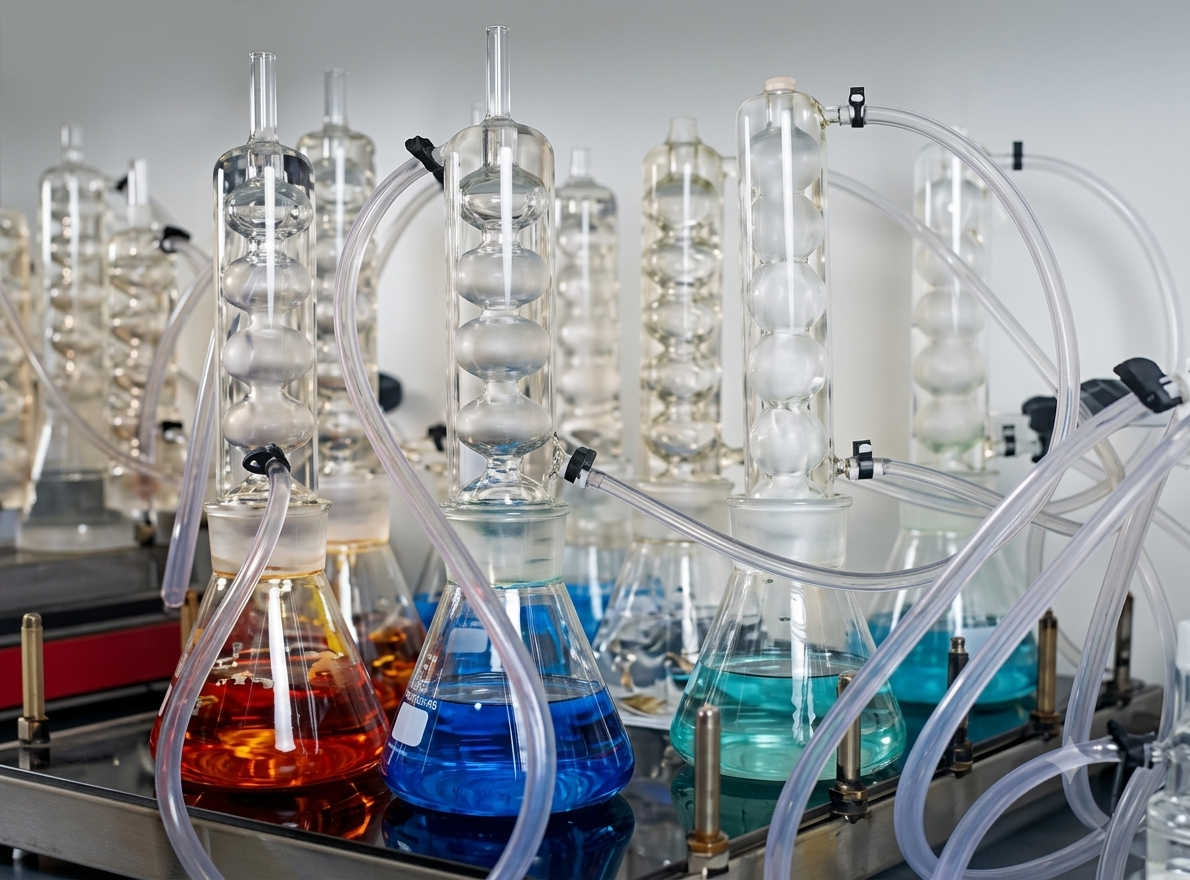
Corrosion as we all know is an electrochemical reaction between material and environment which deteriorates the quality of the article and its life. The degree of severity of corrosion depends upon various factors out of which environmental parameters are the most common, such as temperature, humidity, chemical composition, etc.
Corrosion can be prevented by various techniques which include corrosion testing methods. These method aims at checking the ability of the material to withstand the artificially induced corrosive environment without disintegration. The results from corrosion testing can be used for Failure Analysis of several commercially important engineering materials.
Rigorous qualification to evaluate susceptibility of austenitic stainless steels to intergranular attack (sensitization) during welding or heat treatment.
Our Services Include
Salt Spray Testing
Salt Spray Testing, also known as Salt Fog Testing, is an accelerated corrosion test used to evaluate the corrosion resistance of metals, coatings, plating, paints, and surface finishes. Test specimens are exposed to a controlled salt-laden environment to simulate harsh service conditions and predict long-term performance.