Why NDT Matters in Modern Industries
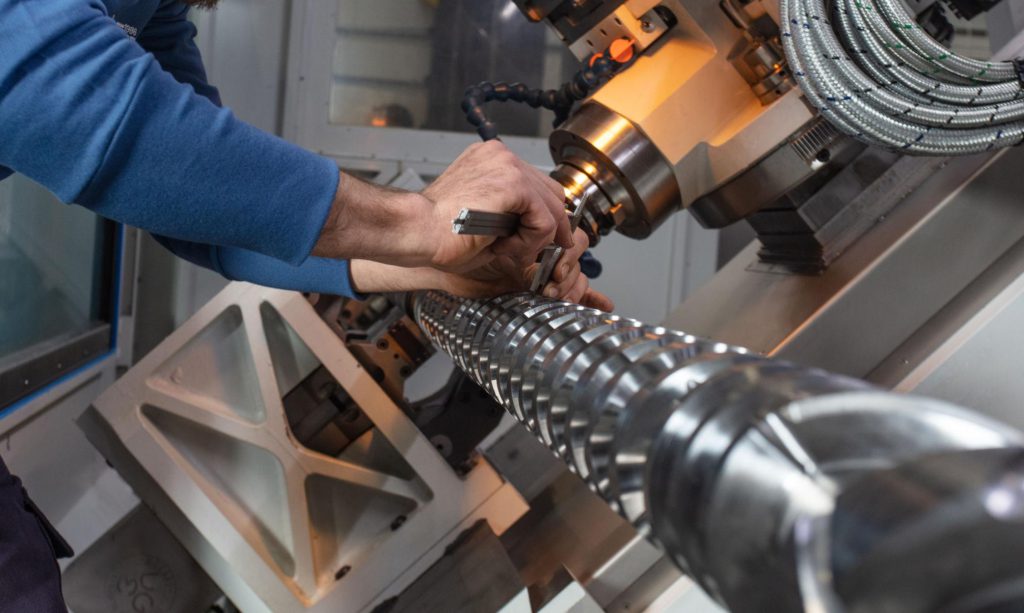
Non-Destructive Testing (NDT) plays a critical role in ensuring the safety, operational reliability, and structural integrity of industrial equipment and infrastructure. Sectors such as oil & gas, power generation, chemical processing, heavy manufacturing, and infrastructure rely heavily on NDT methods to detect internal and surface defects without compromising or destroying the materials tested.
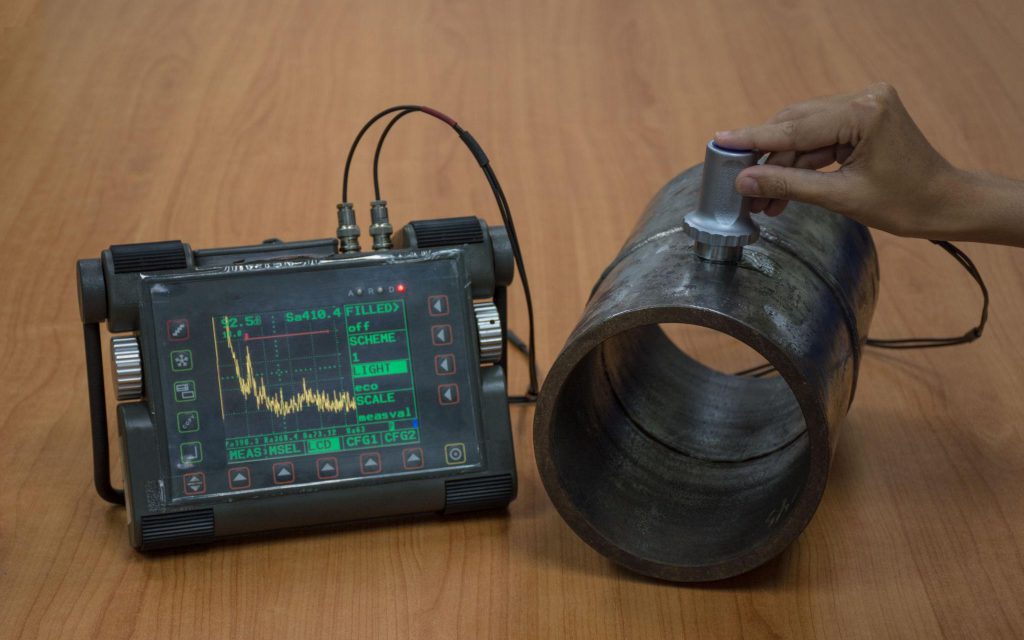
Advanced NDT techniques like Ultrasonic Testing (UT), Magnetic Particle Testing (MT), Radiographic Testing (RT), and Dye Penetrant Inspection (PT/DPI) help plant engineers identify micro-cracks, corrosion, wall thinning, and structural weaknesses well before they escalate into catastrophic operational failures.
Key Benefits of Non-Destructive Testing
Implementing planned non-destructive evaluation across fabrication and in-service plant maintenance delivers profound benefits:
-
Improves Workplace Safety: Identifies hazardous flaws in high-pressure steam lines, toxic chemical vessels, and heavy crane structures to protect human life.
-
Reduces Maintenance Costs: Pinpoints localized damage for precision repairs instead of unnecessary full-section component replacements.
-
Prevents Unexpected Shutdowns: Predictive condition assessment and oxide layer or boiler RLA evaluations keep operational uptime at its maximum.
-
Ensures Compliance with Industry Standards: Confirms full adherence to ASME Sec V, ASTM, ISO 9712, and statutory safety codes.
-
Extends Asset Life: Regular thickness gauging and defect monitoring enable safe life extension and reliable remaining-life assessment.
Primary NDT Methods Employed by SV Tech
Our field inspectors utilize a diverse array of conventional and specialized testing methodologies:
Ultrasonic Testing (UT)
High-frequency sound waves to detect subsurface flaws and measure wall thickness.
Radiography Testing (RT)
X-rays and gamma rays to image internal volumetric defects in welds and castings.
Magnetic Particle (MT)
Magnetic flux leakage to reveal surface and near-surface cracks in ferromagnetic parts.
Dye Penetrant (PT)
Capillary action liquid dye for detecting open surface cracks in non-porous metals.