Expert Welding Solutions for Stronger Structures
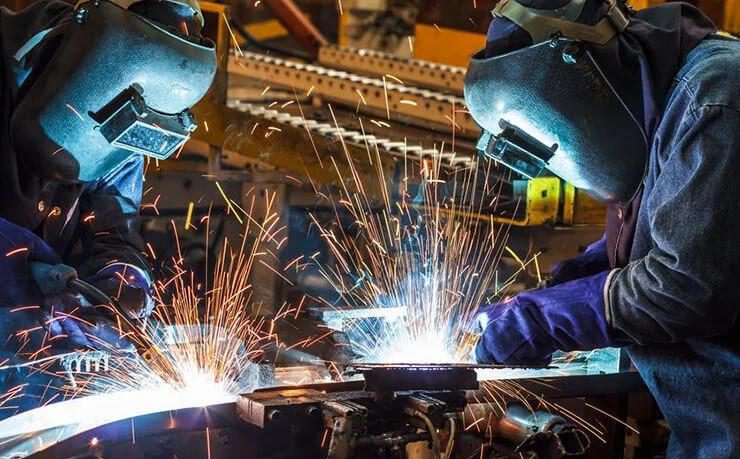
Welding is one of the most critical processes in industrial fabrication, pressure boundary manufacturing, structural engineering, and plant construction. Proper welding procedures, qualified personnel, and strict inspection protocols are absolutely necessary to ensure structural strength, operational safety, and long-term service performance across challenging operating environments.
Professional welding consultancy helps industries achieve high-quality welds through procedure qualification, welder performance qualification, consumable selection, and experienced technical guidance tailored to national and international engineering codes.
Key Welding Consultancy Services
Our certified welding engineers and inspectors assist clients across fabrication workshops and on-site construction through comprehensive technical services:
-
Welding Procedure Specification (WPS): Formulating, reviewing, and approving detailed welding procedures according to ASME Sec IX, AWS D1.1, EN ISO 15614, and IBR standards.
-
Procedure Qualification Record (PQR): Witnessing test coupon welding, destructive testing (tensile, bend, impact, hardness, macro), and documenting verifiable qualification records.
-
Welder Qualification Tests (WQT): Conducting skill assessments, testing welder performance, and certifying welders and welding operators across SMAW, GTAW, GMAW, and FCAW processes.
-
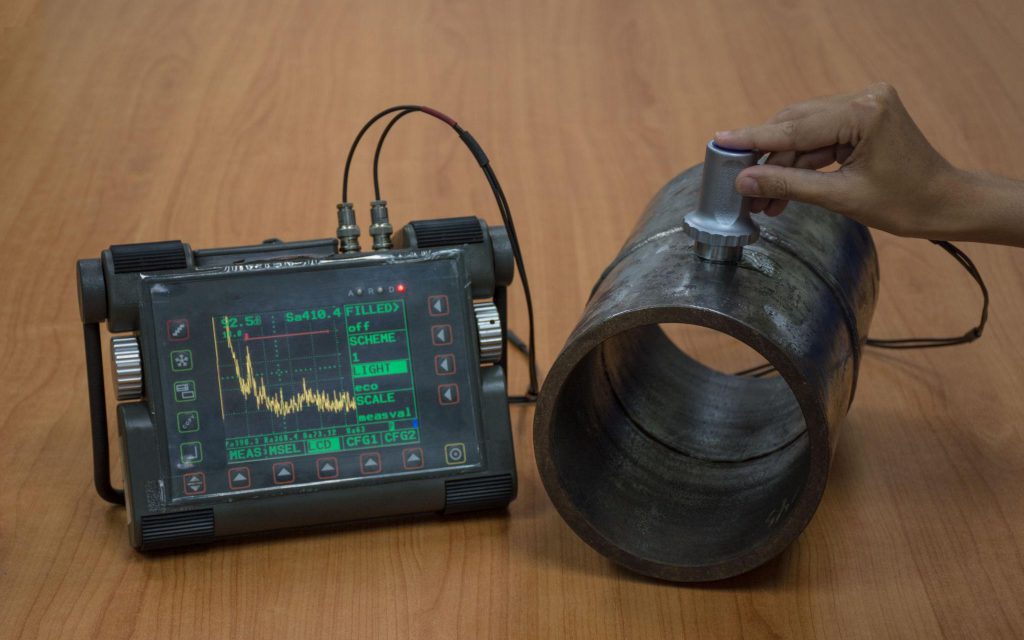
Welding Inspection & Audits: Comprehensive visual and non-destructive examination, heat input monitoring, preheat and PWHT surveillance, and fabrication shop quality audits.
-
Failure Analysis & Technical Support: Metallurgical root-cause investigation of weld cracking, porosity, incomplete fusion, and distortion mitigation engineering.
Why Partner with Certified Welding Specialists?
Incomplete fusion, lack of penetration, improper preheating, or inappropriate filler wire selection can lead to catastrophic joint failures under cyclic pressure or cryogenic conditions. Partnering with seasoned consultants mitigates these risks, optimizes consumable and labor expenditure, prevents costly weld rework, and guarantees acceptance by third-party inspection authorities and end customers.